



Herbs, Soil & the Bigger Farm Picture


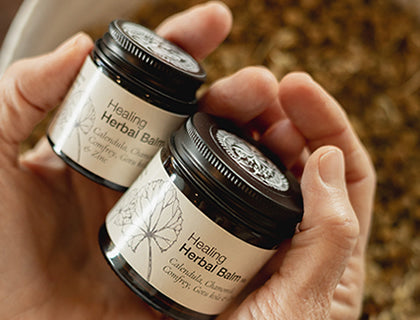
When we started building the House of Herbs garden, I imagined I'd spend most of my time thinking about the plants. Calendula, chamomile, comfrey, echinacea and all the other herbs - mainly where to plant them and how long would they take to grow. What I didn't expect was how much I'd end up thinking about the soil.
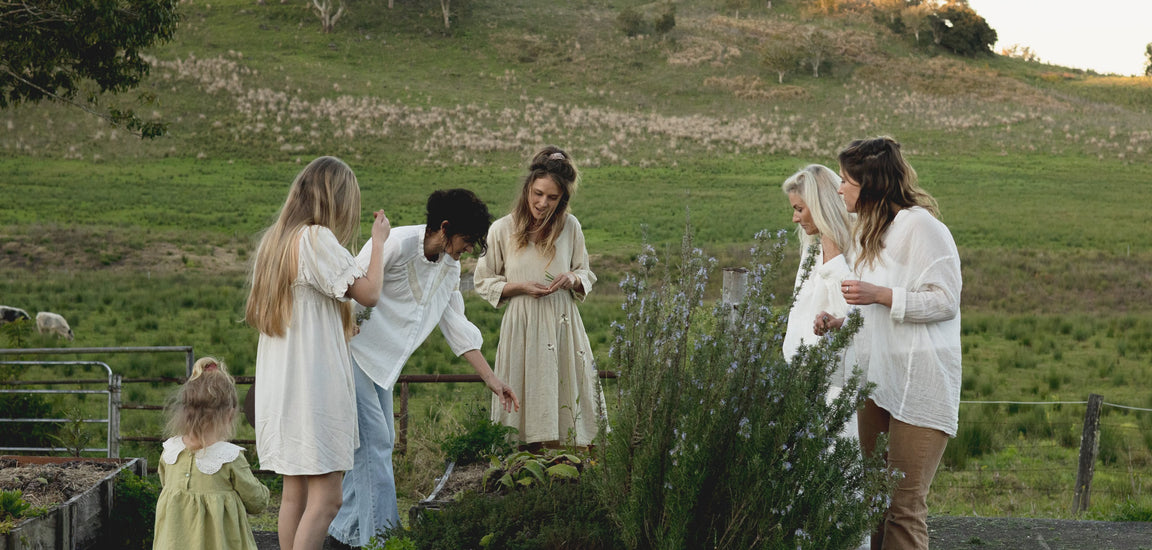
Part 3 of the garden project was mainly about getting plants into the ground. Most of the herbs came from Byron Bay Herb Nursery, while some of the calendula and chamomile have been propagated here at home.
The established calendula plants have settled in beautifully and are already flowering. The seedlings I've raised myself are growing more slowly and aren't quite ready to plant out yet. I am still working this part out.
One of the reasons for creating the garden was the possibility of eventually growing more of the herbs I use in my House of Herbs products. Whether that happens on a larger scale remains to be seen, but it's certainly something I'm interested in exploring.
Living on a farm means there is room to expand if particular herbs prove well suited to our conditions. Comfrey, for example, has been very easy to grow and productive - it is already providing more material to harvest than I expected. Other herbs may be equally happy here and some , I expect may not.
Part of the project is simply discovering what wants to grow on this particular piece of land. Woodlawn has a challenging climate at times. We can have frosts through winter, followed by intense heat in the peak of summer. Not every herb appreciates extremes.
Comfrey has generally done well, but even it wasn't particularly happy during some of the hotter weather earlier in the year. In the long term, I may need to think about providing some afternoon shade, perhaps by planting it alongside taller shrubs or finding other ways to protect it from the harsh western sun.
That's another lesson the garden keeps teaching me. We often think about whether we like a particular herb, but the more important question is whether the herb likes living here.
The only way to find that out is to spend time observing.
Not long after planting, we were hit with almost three weeks of solid rain.
Thankfully most of the herbs were already in the ground, although between the beds of the garden became very muddy. Once things dried out enough, Dan and I finally managed to get wood chip down between the beds to make the area easier to access.
The beds themselves have been mulched with organic sugar cane mulch, and over time I'll also be incorporating some composted cow manure from the farm.
One advantage of having a few cows around is that there is no shortage of organic matter available.
As we've been establishing the garden, I've found myself becoming increasingly interested in the soil beneath it.
As herbalists, we naturally focus on the plants. Yet healthy plants depend on healthy soil, and healthy soil is surprisingly alive. Beneath the surface, there are bacteria, fungi and other microorganisms which are interacting with plant roots, helping cycle nutrients and contributing to the overall health of the ecosystem.
I certainly wouldn't call myself an expert in this area, but it's something I'm becoming more curious about. The more I learn, the more I realise that growing herbs isn't just about growing plants. It's about understanding the environment that supports them.
Living on a farm encourages that way of thinking. Plant material becomes mulch. Manure can be composted and returned to the soil. The dung Beetles help break down the cow pats. What might otherwise be considered waste becomes part of a cycle that helps support the next rotation of growth.
Many of these ideas fall under the broader umbrella of regenerative agriculture, which is another area I'm enjoying learning more about. Not because I have all the answers, but because it encourages us to think about the whole system rather than focusing on a single desirable type of pasture.
For now, though, I'm just enjoying watching the garden take shape.
The calendula is flowering. The comfrey is thriving. The chamomile is still deciding what it thinks about growing here. A dehydrator is on its way, which will help with the drying process when it next decides to rain for three weeks.
There will no doubt be successes, failures and plenty of surprises along the way.
But that's part of the appeal.
One of the things I enjoy most about working with herbs is that they continually remind me that some things can't be rushed. Learning what works, and what doesn’t takes time as well.
This garden is still in its early days, but I'm looking forward to seeing what it has to teach me next.

Leave a comment
All comments are moderated before being published.