



Comfrey by Naturopath & Musician Mandy Hawkes


Comfrey - with Mandy Hawkes
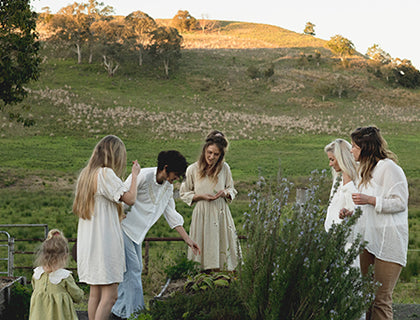
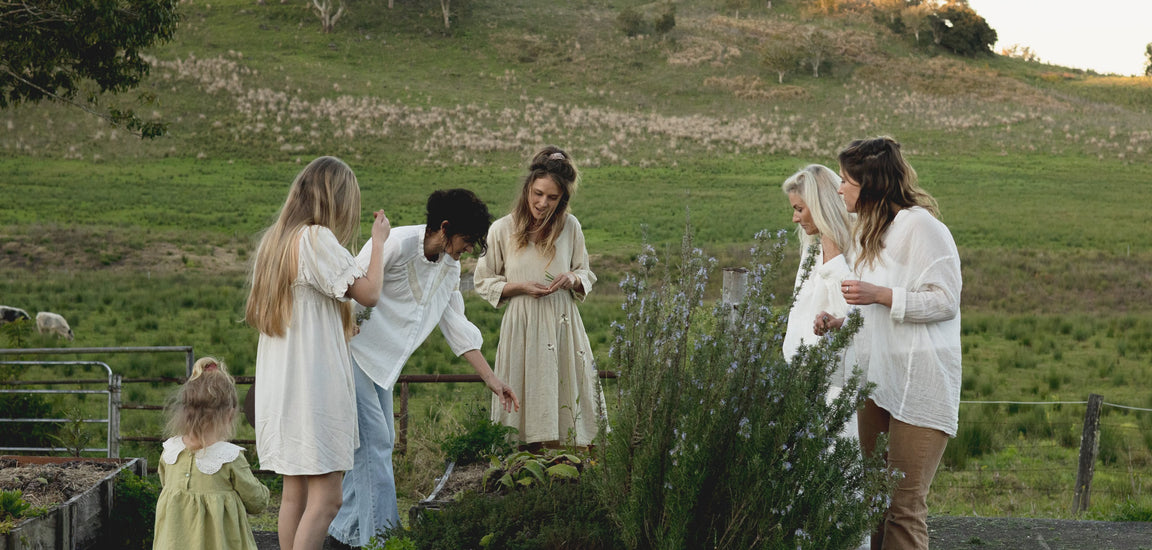
In Series 3 of Herbs in Practice, Mandy Hawkes joined me in the House of Herbs garden to talk about Comfrey - one of the plants growing in the new herb beds.
Comfrey is one of those herbs that most herbalists feel very familiar with, while it is also associated with some controversy.
If you go right back, Comfrey shows up in the writings of Nicholas Culpeper, where he describes it as a herb that helps “knit” tissue back together - particularly in wounds and broken bones. That’s where the name knitbone comes from.
And if you look through older texts, it was used quite broadly. Not just externally, but internally as well - particularly for things like lung irritation, digestive ulceration, and bleeding. When you read that through a modern lens, it actually makes sense in terms of its actions.
Comfrey is quite mucilaginous, so it has a coating, soothing effect on irritated tissue. It also contains allantoin, which is associated with cell proliferation and tissue regeneration. Tannins are also present, which give it a slightly astringent quality - helping to tone and tighten tissue.
So those traditional uses for things like ulcers, respiratory irritation - they really reflect those actions. It’s essentially a herb for damaged or irritated tissue that need protecting and repairing.
From a herbalist’s point of view, that same logic carries through to topical use.
It’s not primarily an anti-inflammatory herb in the classic sense - it’s more what we’d call a vulnerary, meaning it promotes healing.
It works on the underlying tissue and traditionally, herbalists have used it to support the recovery of connective tissues such as ligaments, tendons and surrounding structures
Comfrey is now a scheduled herb and we can no longer use it internally.
Where things shifted was when certain compounds in the plant - the pyrrolizidine alkaloids - came under a bit more scrutiny.
There were concerns around safety, particularly with higher internal doses or prolonged use. So the approach became more cautious.
Some would say too cautious, but it is how it is.
So these days, it’s really used just on the skin.
And that’s where it does some of its best work - supporting and repairing the tissue.
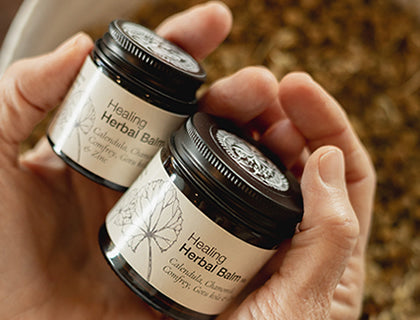
It’s such a useful herb topically.


Leave a comment
All comments are moderated before being published.